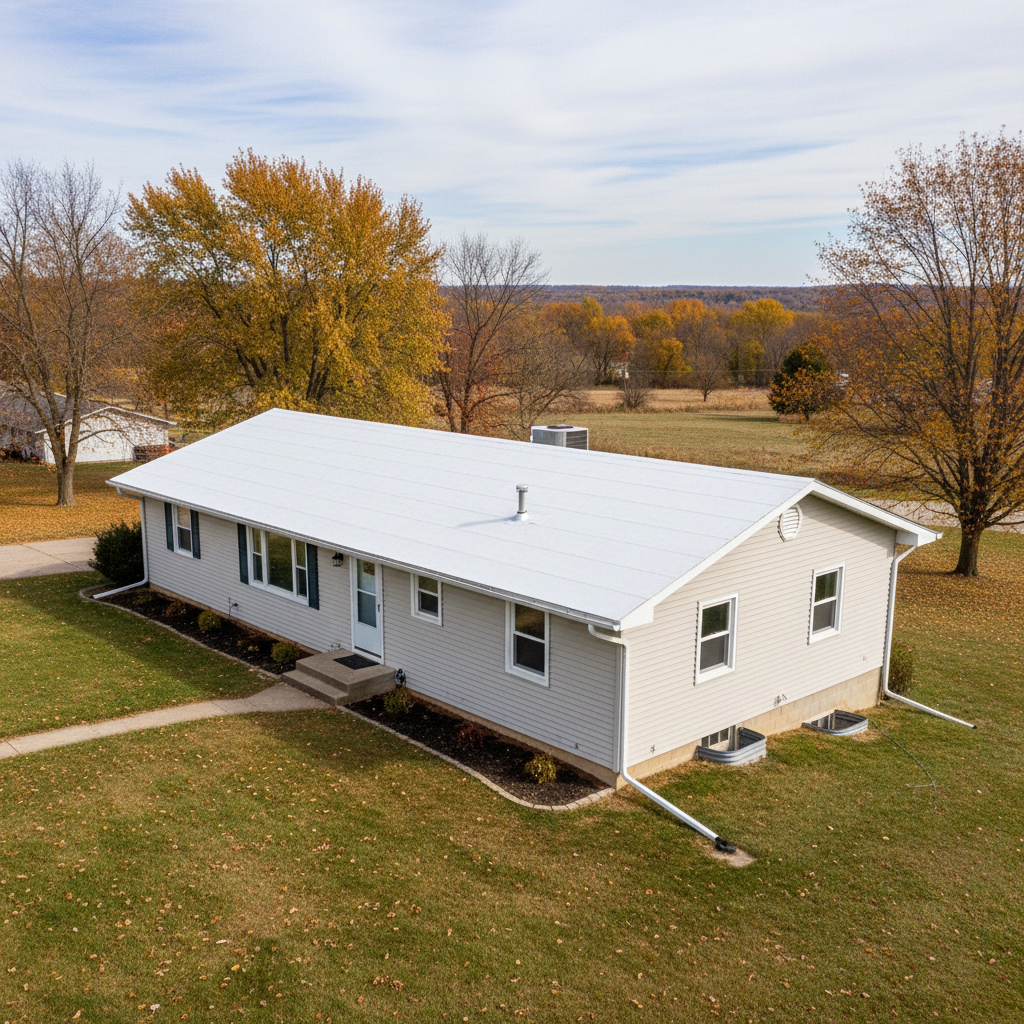
Alright, let's talk about TPO roofs for commercial buildings here in Emporia. I see a lot of these around town, and honestly, they're a great choice for many businesses. But like any roofing system, they need a bit of attention, especially with our Kansas weather. You've got a big investment up there, and I want to make sure you know how to keep it performing its best, no matter the season.
When's the Best Time to Work on TPO?
This is probably the most common question I get. For TPO, timing is pretty crucial. Ideally, you want to schedule any major work – like putting on a new roof or doing a big repair – during milder weather. That means late spring or early fall are usually your best bets. Why? Well, TPO membranes are thermoplastics, which means they react to temperature.
When it's too cold, say below 40 degrees Fahrenheit, the material gets stiff. It's harder to unroll, harder to manipulate, and the welding process, which is how we seal the seams, becomes more challenging and less reliable. We can do it, sure, but it takes more specialized equipment and a lot more care to ensure a perfect bond. It's just not ideal for the roof's long-term integrity, is it?
On the flip side, extreme heat, like those scorching 100-degree days we get in July and August, also presents challenges. The membrane can become overly pliable, making it tricky to get a smooth, wrinkle-free installation. Plus, working on a black or light-colored roof under that kind of sun is brutal on the crew, and safety is always my top priority. So, if you're thinking about a TPO project, start planning for those shoulder seasons.
How Our Weather Affects TPO Installations and Longevity
Our specific climate here in Emporia really puts roofs to the test. We're not just talking about temperature swings; we've got a whole buffet of weather events that can impact your TPO roof.
- Temperature Extremes: I already touched on this, but it bears repeating. TPO expands and contracts with temperature. Over years of hot summers and freezing winters, this constant movement can stress seams and flashings. Good installation techniques, like proper fastening and seam welding, are critical to withstand this.
- High Winds: Kansas is no stranger to high winds, especially during spring and fall storm seasons. A TPO roof, being a single-ply membrane, needs to be securely fastened to the deck. If it's not, you risk uplift and membrane detachment, which can lead to catastrophic failure. We've seen roofs in older parts of town, especially those with older fastening systems, take a real beating from a strong gust.
- Hail: Oh, hail. Every Kansan's favorite topic. TPO is generally pretty resilient to hail, especially compared to some other roofing materials. However, large, jagged hail can still cause impact damage, leading to punctures or cracks. Regular inspections after a significant hail event are a must.
- UV Radiation: Our summers are sunny, and that constant exposure to UV rays can degrade the TPO membrane over time. Quality TPO products are designed with UV stabilizers, but nothing lasts forever. This is why you'll often see lighter-colored TPO roofs; they reflect more sunlight, reducing heat absorption and slowing down UV degradation.
Protecting Your TPO Investment Year-Round
So, what can you do to make sure your TPO roof lasts as long as it should? It's not rocket science, but it does require some proactive steps.
Regular Inspections are Key
You wouldn't drive your car for years without an oil change, right? Same goes for your roof. I recommend at least two professional inspections a year – once in the spring after winter's done its worst, and again in the fall before winter sets in. We'll look for things like:
- Loose or compromised seams
- Punctures or tears from debris or foot traffic
- Damage to flashing around HVAC units, pipes, and skylights
- Clogged drains or standing water (ponding)
- Any signs of membrane degradation or cracking
Catching these small issues early can prevent them from turning into major, expensive leaks. It's a lot cheaper to fix a small seam separation than to replace a whole section of insulation and decking because of prolonged water intrusion.
Keep it Clean and Clear
Debris on your roof isn't just unsightly; it can cause real problems. Leaves, branches, dirt, and even trash can hold moisture against the membrane, leading to premature wear or even algae growth. They can also clog drains, causing water to pond. Make sure your maintenance staff, or us, are regularly clearing off your roof, especially after storms.
Control Roof Traffic
Commercial roofs often see a fair amount of foot traffic from HVAC technicians, electricians, and other service providers. TPO is tough, but it's not invincible. Make sure anyone going on your roof knows to be careful, avoid dropping tools, and ideally, stick to designated walkways if you have them. A dropped wrench can easily puncture a membrane.
Look, your commercial roof is a critical part of your business's protection. Here at Emporia Roofing Company, we've been working with TPO for years, and we know what it takes to keep these roofs in top shape in our local climate. Don't wait until you see a leak inside; be proactive. A little preventative maintenance goes a long way in extending the life of your TPO roof and saving you a lot of headaches and money down the road.