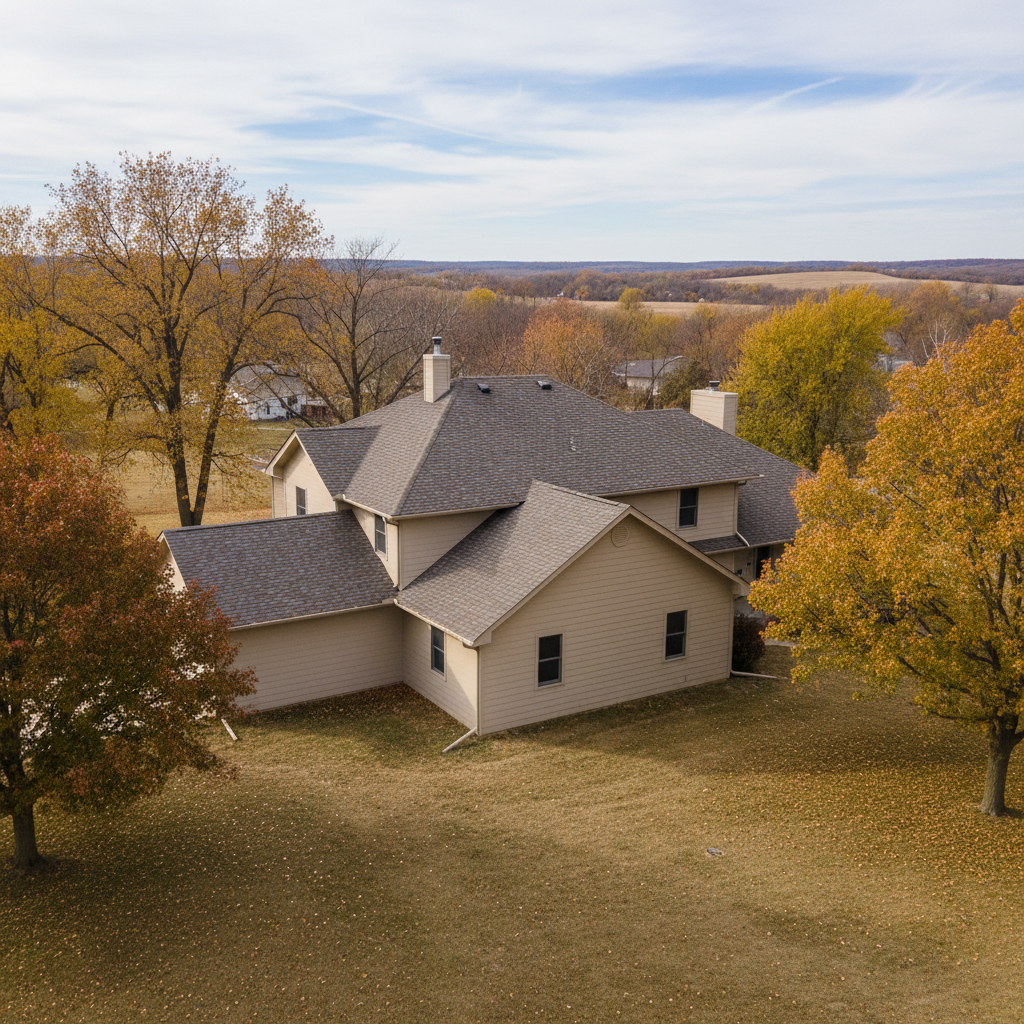
When's the best time to fix that leaky roof or those loose shingles? That's a question I hear a lot, and honestly, it’s not always a simple answer here in Emporia. Our weather can be pretty wild, and that really dictates when and how we can get work done on your roof.
Understanding Emporia's Seasons & Your Roof
You know how it goes around here. We get those scorching summers, brutal winters, and springs and falls that can flip from beautiful to stormy in a blink. Each season brings its own headaches for your roof and for us trying to fix it.
- Spring (March-May): This is prime time for inspections. After the winter, you'll definitely want to see what damage those ice dams or heavy snows might have caused. It's also when we start seeing those pop-up thunderstorms and hail, which can really mess up a roof fast. If you've got minor repairs, spring's generally good because temperatures are moderate, and materials like sealants and adhesives cure properly. But, we absolutely have to watch the forecast like a hawk. You don't want to start a repair only to get caught in a downpour, right?
- Summer (June-August): Hot, hot, hot. While it's usually dry, the intense sun can make working on a roof brutal. Shingles get really hot and brittle, so walking on them can cause damage if you're not careful. Plus, some materials just don't like being installed in extreme heat. We can still do repairs, especially early mornings, but it’s not always ideal for every type of job. And let's not forget those sudden, intense summer storms that roll through.
- Fall (September-November): This is another sweet spot for repairs. Temperatures are usually mild, and we often get a nice stretch of dry weather. It's a fantastic time to get your roof ready for winter, fixing any issues before snow and ice hit. Adhesives work well, and it's generally more comfortable for the crew. Just like spring, though, we still have to be mindful of those unpredictable cold fronts and early winter storms.
- Winter (December-February): This is the toughest season for repairs, no doubt about it. Freezing temperatures make shingles brittle and tough to work with. Adhesives won't cure right, and sealants won't bond properly. Plus, ice and snow make roofs incredibly dangerous. We really try to avoid major repairs in winter unless it’s an emergency – like a tree falling through your roof. If we do have to work, we're very limited in what we can do and how we do it to ensure quality and safety.
What Weather Conditions Affect Repairs?
It's not just the season; it's the specific conditions on any given day. Here’s what we're always looking at:
- Temperature: Too cold, and materials won't stick. Too hot, and they can soften or get damaged during installation. We need that Goldilocks zone for most shingle and sealant work.
- Moisture: You absolutely cannot install roofing materials on a wet deck. Period. Water trapped underneath can lead to mold, rot, and shingle failure. So, if it's raining, or even if the roof is just damp from dew, we're waiting.
- Wind: High winds are a no-go. They're dangerous for the crew, and they can blow materials around, making installation impossible or even damaging newly laid shingles.
- Hail: Obviously, if it's hailing, we're not working. But even after a hail storm, we're assessing the damage, not doing repairs until the storm has passed and the roof is safe and dry.
Protecting Your Investment Year-Round
So, what can you do? Regular maintenance and inspections are key. I recommend getting your roof checked at least once a year, ideally in the spring or fall. We can spot small issues before they become big, expensive problems. For example, in older neighborhoods like those around the Emporia State University campus, I often see issues with flashing around chimneys or vents that have been there for years, slowly letting water in. Catching that early makes a huge difference.
Don't wait until you see a leak inside your house. By then, the damage is usually more extensive than you think. If you notice a few missing shingles after a windstorm, or granules collecting in your gutters, give us a call. Emporia Roofing Company can come out, assess the situation, and give you an honest opinion on the best time to get it fixed. Sometimes, a temporary patch can hold you over until the weather cooperates for a permanent repair.
Being proactive is always cheaper than being reactive when it comes to your roof. Keep an eye on it, and don't hesitate to reach out if you're concerned.